
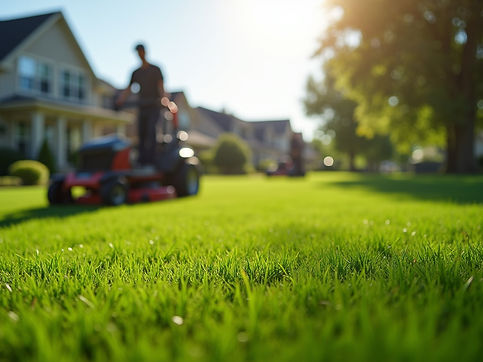
Edging and Trimming in Noblesville for Clean, Defined Lawn Borders
In Noblesville, edging and trimming create sharp lines along sidewalks, driveways, and beds. This page covers when to edge, trimming techniques, and maintenance schedules. We serve homes and businesses throughout Hamilton County. Book standalone edging or add it to your existing mowing plan. Our lawn care service focuses on precision cuts that last between visits.
Edging Before Mowing Prevents Grass Clippings from Covering Fresh Lines
If you want professional-looking results after each service in Noblesville, edging first allows the mower to collect debris and keeps borders visible. Clay soil common in Fishers and Noblesville holds moisture that makes grass edges grow faster. We edge along all hard surfaces including your driveway, walkway, and patio. Mowing immediately after vacuums up loose soil and clippings.
We blow or rake remaining debris off pavement so your property looks finished. Results last two to three weeks depending on grass growth rate. Edging before mowing eliminates the double work of cleaning pavement twice. Your borders stay crisp and defined longer than when debris piles up on fresh cuts.
Regular Trimming Reaches Areas Mowers Miss Along Fences and Foundations
Property owners in Noblesville with obstacles like mailboxes, tree rings, or garden borders need trimming to prevent overgrown patches that make lawns look unfinished. Homes near downtown Noblesville with mature trees need extra trimming around exposed roots. We trim around all obstacles before or after mowing during each visit.
The trimmer stays parallel to the ground for even height across your lawn. We avoid scalping by keeping the string one to two inches above soil. Fence lines and foundation edges get checked each visit to catch growth before it becomes visible. Trimming completes the professional look by addressing every area your mower cannot reach.
Sharp Edging Tools Create Cleaner Borders Than String Trimmers
Noblesville residents who notice ragged or uneven lines along driveways benefit from blade edgers that cut precise vertical lines. String trimmers cannot match this level of definition. Subdivisions near Morse Reservoir with concrete driveways show edging results better than asphalt surfaces. We use half-moon edgers or power edgers for straight lines.
Each edge follows the existing border or creates a new one one to two inches from pavement. Grass and soil buildup gets removed with a shovel or rake for clean results. String trimmers work well for mulch bed edges but not hard surfaces. The right tool for each job delivers borders that enhance your property's appearance.
Monthly Edging Maintains Definition Without Damaging Root Zones
Homeowners in Noblesville balancing curb appeal with lawn health need edging every three to four weeks. This frequency prevents grass creep without cutting too deep into root zones. Cool-season grasses in Hamilton County grow aggressively in spring and fall, requiring closer monitoring. We edge every visit during peak growth from April through June and September through October.
Frequency drops to every other visit during summer heat when growth slows. Blade depth stays at two to three inches to avoid root damage. We skip edging if grass growth drops below half an inch per week. This approach maintains your borders while protecting turf health for long-term lawn quality.
Trimming Height Should Match Mowing Height for Uniform Appearance
Noblesville property owners who see uneven grass height after service need consistent cutting across the entire lawn. Properties near Cicero with tall fescue need trimming set to three to four inches year-round. We adjust trimmer string length to match your mower deck height at each visit.
The one-third rule applies to trimming just like mowing—never cut more than one-third of blade length at once. Trimming frequency matches mowing schedule: weekly in spring and biweekly in summer. We check trimmed areas after each pass to catch scalping or missed spots. Following proper mowing and trimming practices helps maintain healthy turf while achieving the uniform appearance that makes your lawn stand out. For properties needing additional landscape detail work, we also offer bed edging and maintenance services.
Frequently Asked Questions
Should you edge before or after mowing in Noblesville?
Edge before mowing so the mower collects loose grass and soil from fresh cuts.
How often does edging need to be done in Noblesville?
Every two to four weeks during growing season, with monthly service in summer heat or late fall.
What are common mistakes when edging a lawn in Noblesville?
Cutting too deep, edging wet grass, or using string trimmers on hard surface borders are the most common errors.
What is the 1/3 rule for trimming in Noblesville?
Never remove more than one-third of grass blade height in a single cut to avoid stressing your turf.
Can trimming damage grass along fences in Noblesville?
Yes, holding the trimmer too low or using it repeatedly on the same spot without adjusting angle can damage grass.
Is October too late for edging in Noblesville?
No, fall edging prepares borders for winter and makes spring cleanup easier when growth resumes.