
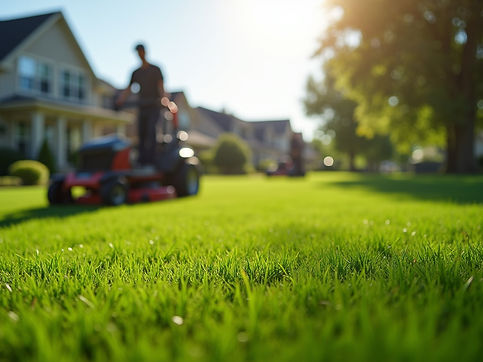
Leaf Removal in Noblesville That Keeps Your Lawn Healthy All Season
In Noblesville, leaf removal prevents grass damage and maintains curb appeal through fall. This page covers removal methods, timing, and what happens if leaves stay down. We serve residential and commercial properties across Hamilton County. Schedule weekly visits during peak drop or one-time final removal. Our lawn care service hauls leaves off-site or mulches them into beds.
What Happens If You Don't Remove Leaves in Noblesville?
Leaving leaves on lawns blocks light and air, creating conditions for grass damage and disease. Heavy leaf layers smother turf and prevent spring green-up.
Consequences:
-
Grass yellows and dies under matted leaves
-
Snow mold and fungus develop in wet layers
-
Rodents nest in thick leaf piles near foundation
-
Weeds fill in dead spots come spring
-
Lawn requires overseeding to repair damage
Thick Leaf Layers Block Sunlight and Trap Moisture That Damages Grass
Leaves block sunlight grass needs for photosynthesis and trap moisture that invites disease. University of Wisconsin-Madison Extension explains that thick leaf layers can smother grass, and when you can barely see grass beneath leaves, you should remove at least half to prevent matting and suffocation.<sup>1</sup> We've watched properties go from healthy lawns to patchy messes after just one winter under heavy leaves.
Wet leaves mat down and suffocate turf beneath them. Trapped moisture creates perfect conditions for fungal diseases like snow mold that develop over winter. Properties near Morse Reservoir with mature tree canopy risk severe lawn damage without timely removal. Dead patches visible in spring require overseeding and fertilization to repair—costs that far exceed prevention through fall cleanup.
After serving Noblesville since 2019, we've seen the difference between properties that prioritize leaf removal and those that don't. Spring always reveals which homeowners stayed on top of fall maintenance. Lawns buried under leaves emerge thin, diseased, and filled with bare spots that need expensive repair work.
Regular Removal During Leaf Drop Prevents Heavy Buildup and Matting
Managing 4-6 weeks of continuous leaf fall requires multiple visits to prevent overwhelming buildup. Schedule first removal when your lawn reaches 50% leaf coverage or when leaves start preventing you from seeing grass clearly. Waiting until trees finish dropping means dealing with compressed, matted layers that damage grass underneath while you wait.
Return weekly during peak drop in October and November to prevent thick layers from forming. Neighborhoods near White River with mixed hardwoods drop leaves over extended periods and need consistent attention. Final removal after trees reach 95% bare condition provides a clean slate entering winter.
Weekly service prevents the lawn damage that occurs while leaves accumulate waiting for one final cleanup. Properties that schedule regular visits maintain visible, healthy grass all fall instead of watching their lawn disappear under accumulating debris. Your neighbors notice the difference between lawns that stay clean versus those buried for weeks waiting for cleanup.
Professional Service Hauls Leaves Off-Site Faster Than Bagging at Curb
Filling dozens of bags or waiting days for city pickup exhausts homeowners every fall. Professional crews blow or vacuum leaves directly into trailers or trucks and haul everything off-site the same day. No bag purchase, filling, or curb placement required from property owners.
Hamilton County yard waste pickup schedules vary by township and often lag behind leaf drop timing. Professional removal avoids these delays and gets properties clean immediately. Crews complete most properties in 1-2 hours regardless of leaf volume while DIY efforts drag across entire weekends.
We've worked properties that generated substantial bags of leaves requiring multiple trips to purchase bags, fill them, and drag them to the curb. Our service loads everything into the trailer in one visit and hauls to composting facilities that day. Property owners reclaim their Saturday and avoid the physical toll of repetitive bending and lifting.
The time-value calculation favors professional service when you factor in bag costs, disposal fees, physical strain, and hours spent. Most clients tell us they wish they'd hired help years earlier instead of suffering through annual leaf removal marathons.
Leaving Leaves on Lawns Over Winter Causes Dead Spots and Disease
Skipping removal to save money creates damage that costs more to repair than prevention would have cost. Matted leaves create dead zones that show up clearly when grass tries to green up in spring. Snow mold develops under insulated leaf layers where moisture and darkness create ideal fungal conditions.
Voles and mice nest in thick piles near homes and often migrate indoors as temperatures drop. Clay soil in Fishers and Noblesville holds moisture under leaves longer than sandy soil, multiplying disease risk. We've seen properties lose significant portions of their turf to preventable damage from leaves left down all winter.
Repairing spring damage requires overseeding bare areas, treating disease, and extra fertilization to help grass recover. These costs easily exceed what fall removal would have cost. Properties also suffer reduced curb appeal through spring while neighbors with clean lawns green up quickly.
Homeowners considering skipping removal should understand they're gambling their lawn health against short-term savings. The odds favor damage, and repair work takes months to fully restore what could have been protected with simple fall maintenance.
Mulching Light Leaf Coverage Into Turf Works Only With Weekly Mowing
Light leaf coverage from young or sparse trees can be mulched into turf if handled properly. University of Wisconsin-Madison Extension recommends leaving leaves alone when they cover just 20 percent of your lawn—they'll blow around and break down naturally (1). For moderate coverage up to 50 percent, mow over leaves to chop them into smaller pieces that settle between grass blades where they decompose and release nutrients.
Lawns near downtown Noblesville with street trees often drop lighter volumes suitable for mulching. Chopped leaves should disappear into turf after mowing. If you can still see leaf pieces covering grass, volume exceeds mulching capacity and requires removal instead.
Switch to removal service when coverage becomes thick enough that you can barely see grass beneath leaves. Heavy leaf drops require collection and hauling no matter how frequently you mow. We've watched homeowners try mulching leaves that should have been removed—results include smothered grass and spring problems from excessive organic matter.
Mulching works beautifully for light coverage but fails quickly when leaves pile deep. Know your property's capacity and don't push mulching beyond its practical limits. View our photo gallery to see professional leaf removal results on Noblesville properties.
Frequently Asked Questions
Is leaf removal worth it in Noblesville?
Yes, removal prevents grass death, disease problems, and costly spring repairs from matted leaves. The investment in fall cleanup protects your lawn health and saves money compared to repairing winter damage. Properties with proper fall removal green up faster and thicker in spring.
What happens if you don't remove leaves in Noblesville?
Grass dies under thick layers where light and air can't reach. Fungal diseases like snow mold develop in wet, matted leaves. Dead spots require overseeding and fertilization in spring. Lawns suffer reduced density and increased weed pressure in damaged areas.
Should I hire someone for leaf removal in Noblesville?
Hiring saves 4-8 hours of labor per cleanup and provides complete removal with proper hauling. Professional equipment moves leaves faster than homeowner tools. Service eliminates bag purchase, filling, and disposal hassles while protecting your lawn from damage that occurs during delayed DIY efforts.
Why is leaf removal expensive in Noblesville?
Leaf volume, labor time, commercial equipment use, hauling costs, and disposal fees all contribute to service pricing. Properties with mature trees generate significant volume requiring multiple crew hours and several trailer loads. Professional service reflects true cost of thorough removal and proper disposal.
How do professionals dispose of leaves in Noblesville?
Professionals haul leaves to composting facilities or mulch processing sites where they're recycled into soil amendments. Leaves don't sit at your curb waiting for city pickup. Same-day hauling keeps your property clean and neighbors happy while supporting environmentally responsible disposal.
Is it OK to leave leaves on your lawn over winter in Noblesville?
No, winter leaves cause turf death from smothering, promote snow mold and other fungal diseases, and create pest habitat near your home. Spring damage from winter leaves costs more to repair than fall removal would have cost. Protect your lawn investment with proper fall cleanup.
Ready to protect your lawn through fall and winter? Contact us today to schedule leaf removal service for your Noblesville property.
References
-
University of Wisconsin-Madison Extension. "Leave the Leaves. To rake or not to rake?" Wisconsin Horticulture, 2023. https://hort.extension.wisc.edu/2023/09/08/leave-the-leaves-to-rake-or-not-to-rake/