
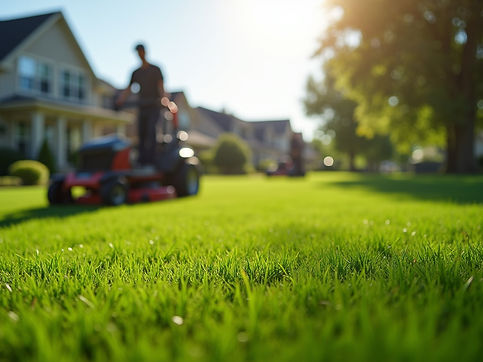
Lawn Striping in Noblesville for Professional Ballpark-Style Patterns
In Noblesville, lawn striping creates alternating light and dark patterns that boost curb appeal. This page covers how striping works, pattern options, and maintenance between services. We serve residential and commercial properties across Hamilton County. Add striping to any regular mowing visit for instant impact. Our lawn care service uses roller attachments to bend grass for clean lines.
How Does Lawn Striping Work in Noblesville?
-
Attach striping roller or kit behind mower deck
-
Mow lawn in straight, parallel lines
-
Roller bends grass blades in direction of travel
-
Blades bent toward you appear dark; blades bent away appear light
-
Alternate mowing direction each pass to create stripe pattern
-
Finish edges and turn areas for clean borders
-
Patterns last 7–10 days until new growth stands upright
Lawn Striping Bends Grass Blades to Reflect Light in Alternating Directions
Lawn striping creates dramatic visual effects without chemicals, paint, or special grass varieties. University of Minnesota Turfgrass Science explains that the striping pattern results from light reflection—grass bent backward increases surface area where sunlight reflects, creating lighter color, while grass bent forward decreases reflective surface and appears darker.<sup>1</sup> This simple physics principle turns any healthy lawn into a showpiece.
Roller or drag mat attachments bend grass blades as the mower passes over them. Light reflects differently off bent grass, creating the contrast you see. The effect works on any healthy lawn with sufficient density. Properties near downtown Noblesville with visible front yards gain instant curb appeal from striping that makes homes stand out on the block.
We've mowed lawns for years, and striping remains one of the quickest ways to elevate a property's appearance. No expensive treatments required—just proper technique and the right equipment. Homeowners hosting graduation parties or preparing for home sales choose striping for immediate visual impact that photographs beautifully.
Striping Patterns Last 7–10 Days Before Grass Growth Softens Lines
Patterns peak in the first 2-3 days after mowing when grass blades stay bent in their mowed position. Gradual fading begins as grass grows upright naturally. Hot summer growth reaching 1 inch per week shortens stripe life compared to slower spring and fall growth.
Cool spring and fall weather in Hamilton County produces slower growth that holds stripes longer. We've noticed April and October striping lasts nearly two weeks while July patterns need refreshing after 7-8 days. Re-mow with a fresh pattern every 7-10 days for consistent curb appeal throughout the season.
Property owners planning events schedule striping 1-2 days before guests arrive for maximum contrast. The difference between day-two stripes and day-nine stripes shows clearly—earlier patterns look crisp and defined while older ones soften and blend. Regular mowing maintains the effect all season without special visits.
Healthy, Uniform Grass Shows Stripes Better Than Thin or Patchy Lawns
Dense turf creates sharper contrast and cleaner lines than sparse grass. Fill bare spots with seed or sod before attempting decorative striping. Thin areas don't bend uniformly and disrupt pattern flow. We've striped lawns where patches stood out negatively instead of showcasing the design.
Maintain consistent mowing height at 3-4 inches for optimal blade length. Grass cut too short won't bend enough to create contrast. Fertilize regularly to promote thick growth that responds well to bending. Control weeds that disrupt pattern uniformity—dandelions and clover create visual breaks in otherwise clean stripes.
Lawns near Morse Reservoir with clay soil need aeration and overseeding for best striping results. Compacted soil prevents healthy root growth that supports thick turf. We recommend addressing lawn health issues before investing in striping equipment or services. The canvas matters as much as the technique.
Striping Works Best on Cool-Season Grasses Like Fescue and Bluegrass
Blade structure of cool-season grasses bends cleanly and reflects light strongly. Tall fescue has wide blades that show contrast well and dominates residential lawns throughout Noblesville. Kentucky bluegrass creates fine-textured stripe patterns with excellent definition. Perennial ryegrass stripes moderately when density is good.
Most residential lawns in Fishers and Noblesville grow tall fescue blends ideal for striping. These grasses naturally bend easier than warm-season varieties. Avoid attempting striping on bermuda or zoysia—these warm-season grasses stay rigid and resist bending. They're rare in Indiana anyway due to our climate.
After serving Noblesville since 2019, we've learned which lawn types respond best. Fescue lawns stripe beautifully with minimal effort while mixed lawns with significant weed content struggle. Grass species matters more than most homeowners realize when planning decorative mowing patterns.
Regular Mowing at Proper Height Keeps Stripe Patterns Sharp and Visible
Set mower deck to 3-4 inches for optimal blade length that bends well. Never remove more than one-third of grass height per mow—scalping weakens grass and ruins stripe potential. Mow when grass is dry for cleanest roller action. Wet grass clumps and doesn't bend uniformly.
Alternate stripe direction each visit to prevent soil compaction. Run north-south one week, then east-west the next. This variation also prevents grain development where grass leans permanently in one direction. Properties near White River with shaded areas need higher mowing heights to support grass density that stripes effectively.
Correct mowing practices maintain grass health and pattern clarity simultaneously. We sharpen blades regularly because torn grass doesn't bend cleanly and appears ragged. Equipment maintenance directly affects stripe quality. Properties receiving professional service get consistent results because we control all variables that affect appearance.
Explore our landscaping services to see how lawn striping complements bed edging, mulching, and other enhancements that elevate your property's overall look.
Frequently Asked Questions
Is lawn striping good for your lawn in Noblesville?
Yes, striping does not harm grass. It only bends blades temporarily for visual effect without damaging plant tissue. The grass naturally stands upright again as it grows. Striping can actually benefit lawns by encouraging you to maintain proper mowing height and regular schedules.
How long do lawn stripes last in Noblesville?
Stripes last 7-10 days depending on grass growth rate and weather conditions. Cool spring and fall weather extends stripe life to nearly two weeks. Hot summer growth shortens duration to 7-8 days. Patterns look sharpest in the first 2-3 days after mowing.
Can any lawn in Noblesville be striped?
Striping works best on healthy, dense lawns with cool-season grasses like fescue or bluegrass. Thin, patchy, or weed-filled lawns don't stripe well because grass doesn't bend uniformly. Address lawn health issues before attempting decorative patterns for best results.
What equipment is needed for lawn striping in Noblesville?
A mower with striping roller or kit attachment creates the effect. Most professional commercial mowers include this feature. Homeowners can add striping kits to existing walk-behind or riding mowers. Kits attach behind the mower deck and cost $50-200 depending on size.
Does lawn striping cost extra in Noblesville?
Many professional services include basic straight-line striping with regular mowing at no additional charge. Complex patterns like checkerboards, diamonds, or curves may cost 10-20% more due to extra time and precision required. Simple stripes add minimal service time.
Can you stripe a lawn with a regular push mower in Noblesville?
Yes, add-on striping kits work with most walk-behind and riding mowers. Attach the kit behind your mower deck and mow in straight lines. The roller bends grass as you pass. Results depend on grass health, mowing height, and technique consistency.
Ready to add professional striping to your lawn? Contact us today to schedule service or discuss pattern options for your Noblesville property.
References
-
University of Minnesota Turfgrass Science. "Light reflection and mowing patterns." University of Minnesota Extension, 2023. https://turf.umn.edu/light-reflection-and-mowing-patterns